
Confident, Clever, and Prepared: Safer Short Outdoor Getaways After Forty
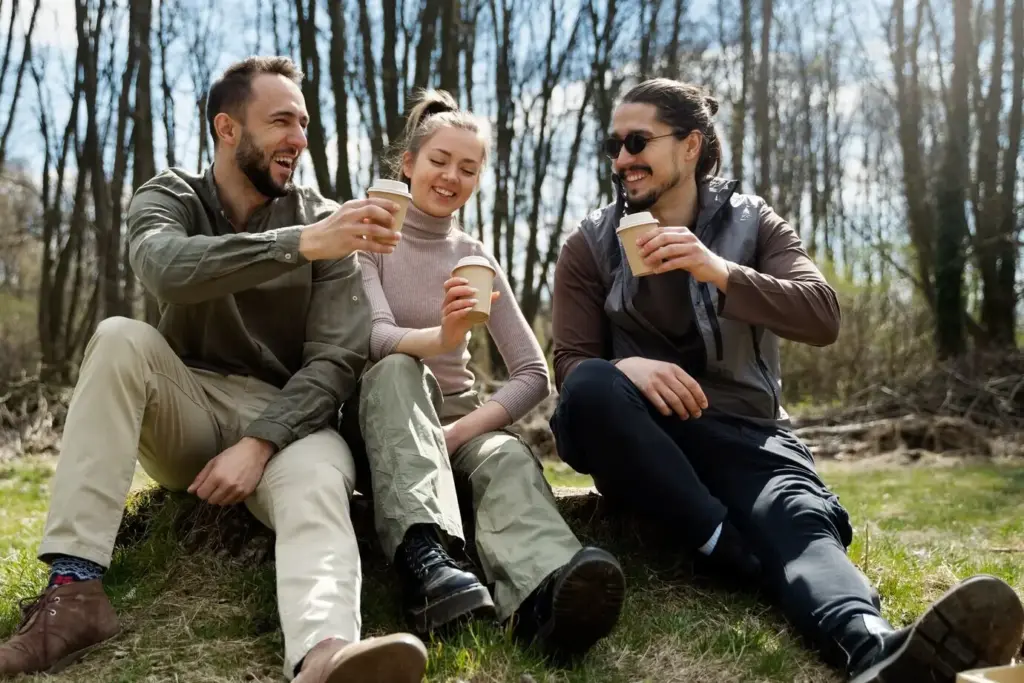
Today we focus on solo safety strategies for short outdoor escapes for women over forty, celebrating freedom with practical wisdom. Expect clear planning tips, approachable gear guidance, and mindset shifts that honor experience, energy, and boundaries. Whether it’s a two-hour trail wander or a city-park sunrise loop, you’ll leave ready to move with intention, communicate reliably, and savor nature without unnecessary risk. Share your insights, ask questions, and help shape a supportive, informed community for every quick adventure that calls your name.

Plan With Purpose, Leave With Confidence

Preparation is the most empowering companion for brief outdoor time, especially when balancing real-life responsibilities and a body that deserves respect. A thoughtful plan doesn’t restrict spontaneity; it expands it by reducing uncertainty. Clarify why this outing matters, how long it should last, and what conditions support comfort. Create small commitments—like start time, turn-around point, and check-ins—so your solo journey feels intentionally designed. Confident decisions before you step outside make your moments in the open feel abundant, restorative, and safe.

Communication Habits That Keep You Connected

Connection is both comfort and contingency. A strong communication plan reduces mental load and helps loved ones support you without anxiety. Set predictable routines for departure notices, mid-outing updates, and confirmations of safe return. Use tools that fit your context—from simple texts to location sharing or a small satellite messenger in spotty service areas. Prepare concise messages for delays, reroutes, or unexpected stops. The aim is gentle accountability, not surveillance. Reliable communication sustains independence by building shared confidence in how you move.

Create a Check‑In Chain

Pick one primary contact and one backup who understands your typical pace and risk tolerance. Share your micro-itinerary, map link, and a time window for return. Agree that if you miss a check-in, they’ll first text, then call, then escalate appropriately. Avoid having many partial check-ins with multiple people; a clear chain reduces confusion. This structure protects your solitude while providing a streamlined safety net that activates only when needed, keeping everybody calm and informed.

Share Breadcrumbs Without Oversharing

Use privacy-first location sharing or send planned pins instead of broadcasting live routes publicly. Post photos after you’re home, not in the moment. If using social platforms for accountability, delay details and avoid specific timing. Keep a simple note on your phone listing car description, plate, route, and emergency contacts, ready to send if something changes. Intelligent breadcrumbs make you discoverable when necessary, yet preserve your boundaries, ensuring that connection complements your independence rather than diluting it.

Essentials That Win on Weight

Carry a headlamp with fresh batteries, a piercing whistle, a compact power bank, and a charging cable secured in a zip pouch. Add a folded paper map or offline map tiles for when signal disappears. Pack a bright bandana for visibility, sun, or improvised bandage. These small items dramatically expand options during delays or detours. The goal is redundancy without bulk, allowing you to remain nimble, hands-free, and confident if plans stretch a little longer than expected.

Medical Basics for Real Bodies

Build a pocket kit with blister care, athletic tape, antiseptic wipes, bandages, and an anti-inflammatory appropriate for your health needs. Include any personal medications plus a spare dose. A small elastic wrap supports knees or ankles that protest uneven steps. After forty, prevention pays dividends; tiny discomforts can escalate. These basics keep you moving comfortably, let you stop early without crisis, and prevent minor issues from overshadowing the joy and mental clarity you came outside to experience.

Identity, Money, and Digital Redundancy

Keep a physical ID, an emergency contact card, and a small stash of cash for unexpected transit or water stops. Store a transit pass or ride-hail backup. Save offline copies of a map, emergency numbers, and your micro-itinerary. Phone batteries and signals fail at inconvenient moments; redundancy keeps you independent. If you prefer digital wallets, also carry a low-profile card. These backups reduce stress during hiccups, help helpers help you, and smooth the journey back to comfort.

Light, Loud, and Legal: Gear That Works
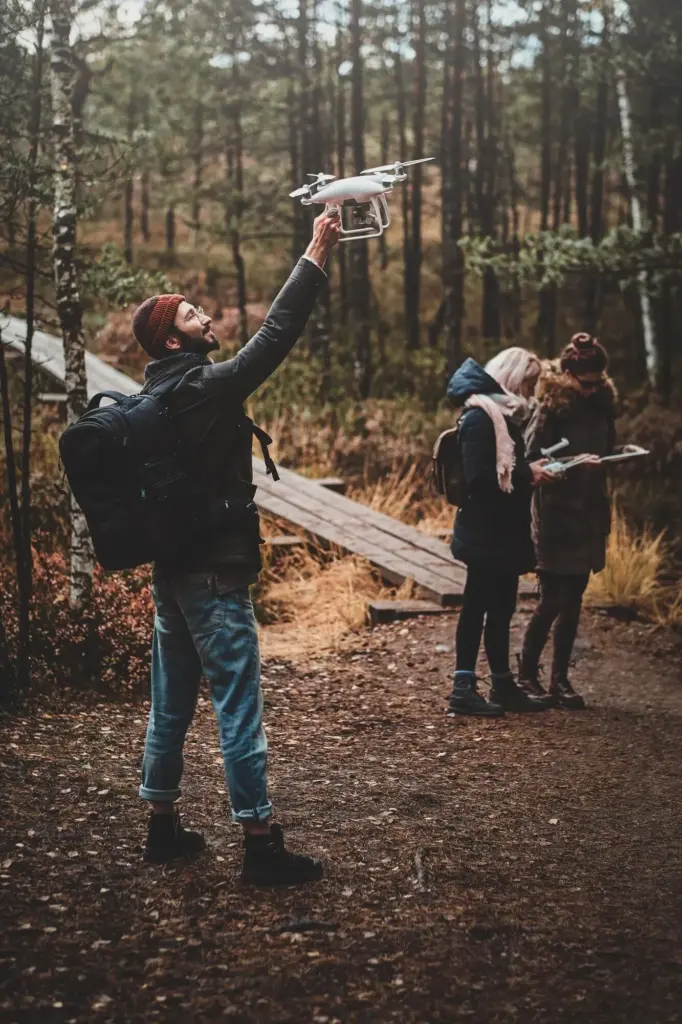
Short escapes favor compact, intuitive tools that earn their space by doing several jobs well. Prioritize bright light, clear sound, and dependable power. A headlamp, whistle, small power bank, and paper map complement your phone’s strengths and cover its gaps. Consider local regulations for self-defense tools and carry only what you’ve trained to use legally and confidently. Add a minimalist medical kit that respects recovery realities. Thoughtful gear extends your abilities, supports calm decision-making, and prevents small hassles from becoming big problems.

Stay Found: Navigation and Awareness Skills

Getting pleasantly lost in thought is wonderful; getting physically lost is not. Build simple, repeatable habits that keep you oriented and responsive. Before moving, note your start landmark, direction of travel, and a conspicuous backstop like a road or ridge. Scan ahead for safe turn-around points. Establish a normal baseline—sounds, people density, and wildlife patterns—so changes stand out quickly. Pair map checks with natural landmarks. These skills transform short outings into reliably navigable experiences where curiosity never compromises a safe return.
Pause at the trailhead to register birdsong volume, wind direction, trail condition, and nearby activity. On urban routes, notice shop openings, traffic rhythms, and park maintenance patterns. When something meaningfully shifts—sound drops, crowd thins, weather turns—acknowledge it and adjust. Anomalies are signals, not drama. This habit helps you spot detours early, choose safer paths, or simply turn around. Awareness is a compassionate practice that honors your attention as a protective ally, keeping your experience clear and grounded.
Adopt easy heuristics: always know where your backstop lies, count junctions, and mentally tag distinctive trees, bridges, or murals. On unfamiliar paths, limit unplanned turn-offs or establish a strict turn-around time. Snap a quick photo of each junction to build a breadcrumb trail. These rules prevent compounding errors, preserve energy, and make retracing simple. You’ll move more freely when the route feels like a friendly loop, not a maze challenging your memory at every bend or crossing.

Move Well: Comfort, Energy, and Recovery After Forty

Warm Up, Pace, and Protect Joints

Begin with ankle circles, gentle hip openers, and a few balance drills, then ease into a conversational pace. Choose poles or a supportive brace if your knees appreciate help on descents. Favor stable steps over speed on roots and rubble. Micro-pauses prevent stumbles and let your breath catch up. Carry a thin layer to keep muscles warm during rests. Protective pacing is not caution; it is confidence, giving your body the respect that makes tomorrow’s adventure easier too.

Hydrate, Fuel, and Mind Hormonal Rhythms

Sip regularly rather than guzzling later. Pack light, steady carbs with a pinch of salt, and consider protein for post-outing repair. Notice how energy ebbs across your month or stress cycles; adjust route length and elevation accordingly. Many women find earlier start times kinder to focus and recovery. A tiny thermos of tea can lift mood in cool weather. Attentive fueling is not indulgence; it is resilience, giving your mind clarity and your body the dependable support it deserves.

Finish Strong With Recovery Rituals

Close the loop deliberately: gentle stretches, a protein-rich snack, hydration, and a quick gear reset for next time. Note one bright moment and one lesson in a journal or phone voice memo. Small reflections compound into wisdom. A warm shower or foot soak calms the nervous system, helping sleep arrive quickly. Text your contact a cheerful all-clear. Recovery rituals turn a simple walk into a sustaining practice, reinforcing safety habits and keeping enthusiasm high for your next small escape.

Boundaries, Presence, and De‑escalation

Personal safety grows from calm presence and practiced responses. Most interactions outdoors are neutral or kind; prepare for the rare awkward or escalating moment with scripts, stance, and tools you trust. Decide in advance how you’ll decline invitations, maintain space, or change direction without debate. Use strong body language, firm voice, and movement choices that reduce uncertainty. Carry legal aids—alarm, light, or spray—only with training and clarity. Prepared boundaries free attention for the breeze, birdsong, and gratitude you came to find.

Your Voice and Body Language Are Tools

Practice a confident stance: shoulders relaxed, feet grounded, eyes scanning softly. Pair it with a clear sentence like, “No thanks, I’m set,” or, “I’m meeting someone shortly.” Repeat once, then move. Avoid over-explaining; brevity signals certainty. If attention persists, increase volume and create movement toward visibility—trailhead, open area, or nearby group. Rehearsed lines and posture lower adrenaline spikes, helping you think. Presence communicates self-possession, often preventing awkward moments from stretching into something that taxes your energy or peace.

Space, Barriers, and Exit Plans

Define comfortable personal space early and adjust your path to maintain it. Use natural barriers—benches, fences, trail edges—to create a buffer without confrontation. Keep awareness of exits and more populated zones. If a situation feels odd, pivot first and analyze later. Pre-deciding that your comfort is sufficient reason to leave dissolves hesitation. Safety is not about proving toughness; it’s about honoring instincts and choosing routes that keep options open, attention clear, and your outing pleasantly under your control.

Alarms, Lights, and Sprays—Use With Clarity

If you carry a personal alarm, flashlight, or deterrent spray, learn local laws and practice deployment in calm conditions. Keep items accessible, not buried. A high-lumen light can startle wildlife or illuminate paths, and a loud alarm draws helpful attention. Tools are supplements, not substitutes for awareness and boundary-setting. Confidence comes from familiarity: test gear, rehearse grips, and set mental criteria for use. Responsible readiness lets you move lightly, knowing you have layered options without relying on any single tactic.

Local Micro‑Adventures That Nourish and Restore

Small adventures near home can feel as expansive as distant mountains when chosen with care. Prioritize places with clear sightlines, friendly foot traffic, and easy exits. Rotate parks, waterfront paths, greenways, and neighborhood stair loops to keep novelty alive. Dana, 47, found her weekly dawn lap around a botanical garden restored focus better than long weekend hikes. Pay attention to how settings shape mood and recovery. Share your discoveries with our community so others can explore safely, joyfully, and well-supported.

Choose Places With Natural Social Safety

Look for locations where positive activity is already present—dog walkers, runners, birders, and families—especially during your preferred time of day. Well-marked trails, staffed parks, and routes near transit add layers of resilience. If a spot feels empty or hidden, choose another or invite a friend. Safety thrives where visibility and kindness intersect. Over time, you’ll build a personal map of welcoming spaces that support independence, cultivate calm, and make every short outing feel thoughtfully, comfortably yours.

Time Your Outing to Light and Flow

Align plans with sunrise, golden hour, or long lunch breaks when light, temperature, and community presence feel best. Consider weekday patterns—maintenance crews, school schedules, or office rush—that change how an area feels. If twilight tempts you, bring light and shorten distance. Movement should fit your energy, not the clock’s demands. Tuning to the day’s flow nurtures consistency, lowers stress, and helps each step feel like exactly the right step for this moment in your life.

Join or Build a Supportive Circle

Connect with local walking groups, trail meetups, or neighborhood message boards to swap route ideas and check-in habits. Invite a buddy to learn your communication plan, even when you still go solo. Share a quick debrief after outings—one joy, one lesson. Your wisdom strengthens someone else’s safety net, and theirs strengthens yours. Subscribe to updates here, comment with your go-to routes, and ask for feedback on gear experiments. Community turns small efforts into reliable, uplifting momentum.
Folovehixufunofipihepolo
Privacy Overview

This website uses cookies so that we can provide you with the best user experience possible. Cookie information is stored in your browser and performs functions such as recognising you when you return to our website and helping our team to understand which sections of the website you find most interesting and useful.