Gear Up for More Miles, Not More Bills

Today we dive into budget-friendly gear essentials for midlife adventure seekers, spotlighting smart choices that deliver comfort, safety, and joy without draining savings. Expect practical tips, tested picks, and confidence-boosting strategies designed to keep adventures sustainable, knees happy, and spirits high across weekend trails and spontaneous road escapes.

Layering That Works in Real Weather

Build a versatile layering system around breathable base layers, insulating midlayers, and a reliable wind or rain shell, then mix thrifted finds with smart sales. Focus on mobility through shoulders and hips, plus easy temperature regulation. Avoid heavy, restrictive pieces by favoring lighter fabrics that dry quickly and provide steady, adaptable comfort.

Secondhand, Rental, and Refurbished Wins

Unlock real savings by sourcing pre-loved gear from trusted community groups, certified refurbishment programs, and reputable rental shops that maintain equipment well. Inspect zippers, seams, and waterproof coatings, and ask for repair histories when available. Try before buying when possible, and redirect the savings into better footwear or your next unforgettable weekend.

Know Your Non‑Negotiables

Decide which items must be reliable every single outing, and spend accordingly. Many midlife adventurers prioritize footwear, a supportive sleeping pad, and a dependable headlamp. Set a simple pre-trip checklist, verify comfort and fit at home, and avoid last-minute splurges by keeping emergency backups and spare batteries ready for action.

Spend Where It Counts, Save Where It Shows

Stretch your budget by investing in pieces that protect health and confidence, while trimming costs on items that chiefly add style or convenience. Prioritize footwear, sleep systems, and weather protection. Borrow, rent, or swap infrequently used gear. Choose durable, repairable materials. Track real usage, then let experience, not impulse, guide future purchases.

Footwear That Loves Your Joints

Comfortable, supportive footwear can transform a long day into a memory worth repeating. Balance traction, cushioning, and weight with your terrain and pace. Look for stable heels, roomy toe boxes, and lacing that fine-tunes fit. Sock choice matters, too, reducing friction and moisture to keep feet happier mile after mile.

01

Trail Runners vs. Hiking Boots, Decoded

Trail runners often shine for day hikes and well-groomed paths with breathable uppers and lighter steps, while boots offer ankle structure, durability, and support on rugged, rocky routes. Try both late in the day when feet swell. Pair your choice with appropriate socks, then adjust expectations to terrain, load, and personal comfort.

02

Socks, Insoles, and Blister Triage

Invest in moisture-wicking socks and consider affordable insoles that support arches and reduce hot spots. Pre-tape friction zones before big days. Pack a small blister kit with alcohol wipes, bandages, and cushioned pads. Swap damp socks promptly, adjust lacing tension during climbs, and celebrate how tiny tweaks prevent nagging pain from stealing joy.

03

Fit Adjustments for Changing Feet

Feet can widen and arches may shift over time. Seek half sizes or wider lasts, and experiment with lacing techniques for forefoot pressure or heel slip. Trim toenails carefully, try thin liner socks, and remember that insoles break in. Keep notes after each outing to identify patterns and refine long-term comfort.

Shelter and Sleep That Actually Restore You

Lightweight Tents and Clever Alternatives

Score deals by considering last season’s models, or explore alternative shelters like tarps or bivy systems for fair-weather trips. Check seam tape, pole integrity, and zipper glide on secondhand options. Practice pitching at home, time the setup, and note condensation patterns. Save by skipping extras and learning smart site selection and ventilation.

Sleep Systems Tuned to the Season

Match sleeping bag ratings to realistic overnight lows, add a liner for versatile warmth, and prioritize an insulated pad for ground chill. Side sleepers often prefer thicker pads for hips and shoulders. Test inflation levels and pillow height. A few tailored changes deliver outsized results, turning restless nights into restorative, grateful mornings.

Comfort Add‑Ons With Outsized Impact

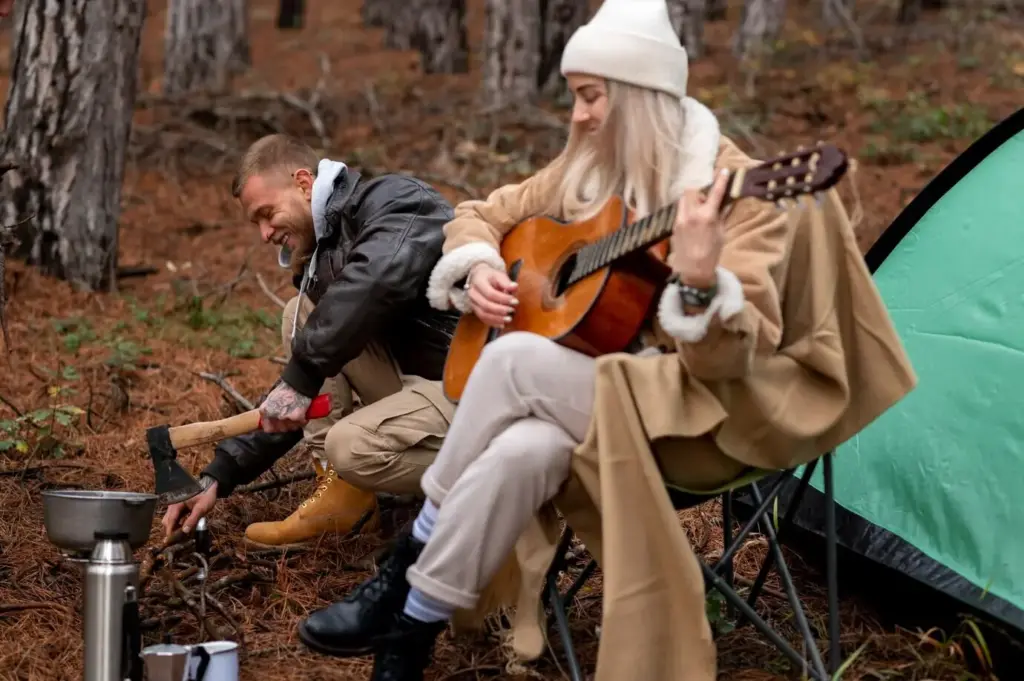
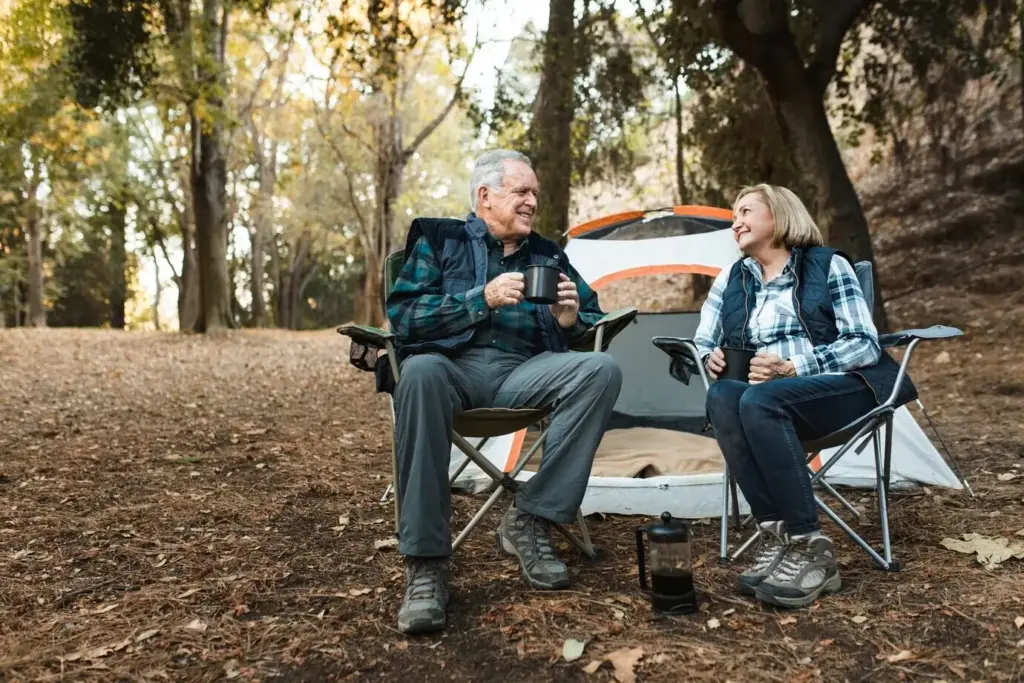
A compact pillow, cozy sleep socks, and a soft beanie can transform camp nights for minimal cost. Consider earplugs for windy ridgelines and calming routines like tea before bed. Keep a headlamp within reach. These small comforts reduce tossing and turning, helping recovery and mood so tomorrow’s miles feel exciting, not daunting.

Clothing Systems for Variety and Vitality
Base Layers That Manage Moisture
Pick breathable fabrics that wick sweat and resist odor, then watch how much more comfortable climbs feel. Rotate between synthetic and merino depending on drying needs and budget. Prioritize flat seams and soft collars. In shoulder seasons, a thin long-sleeve adds versatility without bulk, smoothing temperature swings and keeping skin happy longer.

Insulation You Can Afford and Trust

Seek reliable midlayers like fleece or synthetic puffies that maintain warmth even in damp conditions. Compare warmth-to-weight and note pocket placement for snacks or gloves. Shop off-season sales. Remember, a well-layered system beats one expensive piece. Combine light fleece with a wind shell for surprisingly cozy, adaptable performance in changeable conditions.

Rain Protection Without Regret

Waterproof-breathable jackets vary widely. Focus on seam sealing, hood design, and pit zips for airflow. A simple poncho can double as emergency shelter in a pinch. Reapply DWR or choose coated fabrics for budget wins. Test at home with a garden hose, then pack repair tape to keep adventures rolling despite drizzle.

Navigation, Safety, and Peace of Mind

Confidence grows when essentials feel dialed. Combine a simple compass, printed map, and reliable phone app with offline maps. Pack a small first-aid kit, bright headlamp, and spare power. Share itineraries with a friend. Preparation frees attention for scenic lookouts, long laughs, and the satisfaction of knowing you can handle surprises gracefully.

Packs, Weight, and Smarter Carry

Choose a pack that fits torso length and hip structure, then trim non-essentials to reduce strain. Load heavier items close to your spine, stable and centered. Balance quick-access pockets with minimalism. Weigh your kit, log what you use, and evolve toward a sweet spot where energy and comfort finally align beautifully.
Folovehixufunofipihepolo
Privacy Overview

This website uses cookies so that we can provide you with the best user experience possible. Cookie information is stored in your browser and performs functions such as recognising you when you return to our website and helping our team to understand which sections of the website you find most interesting and useful.